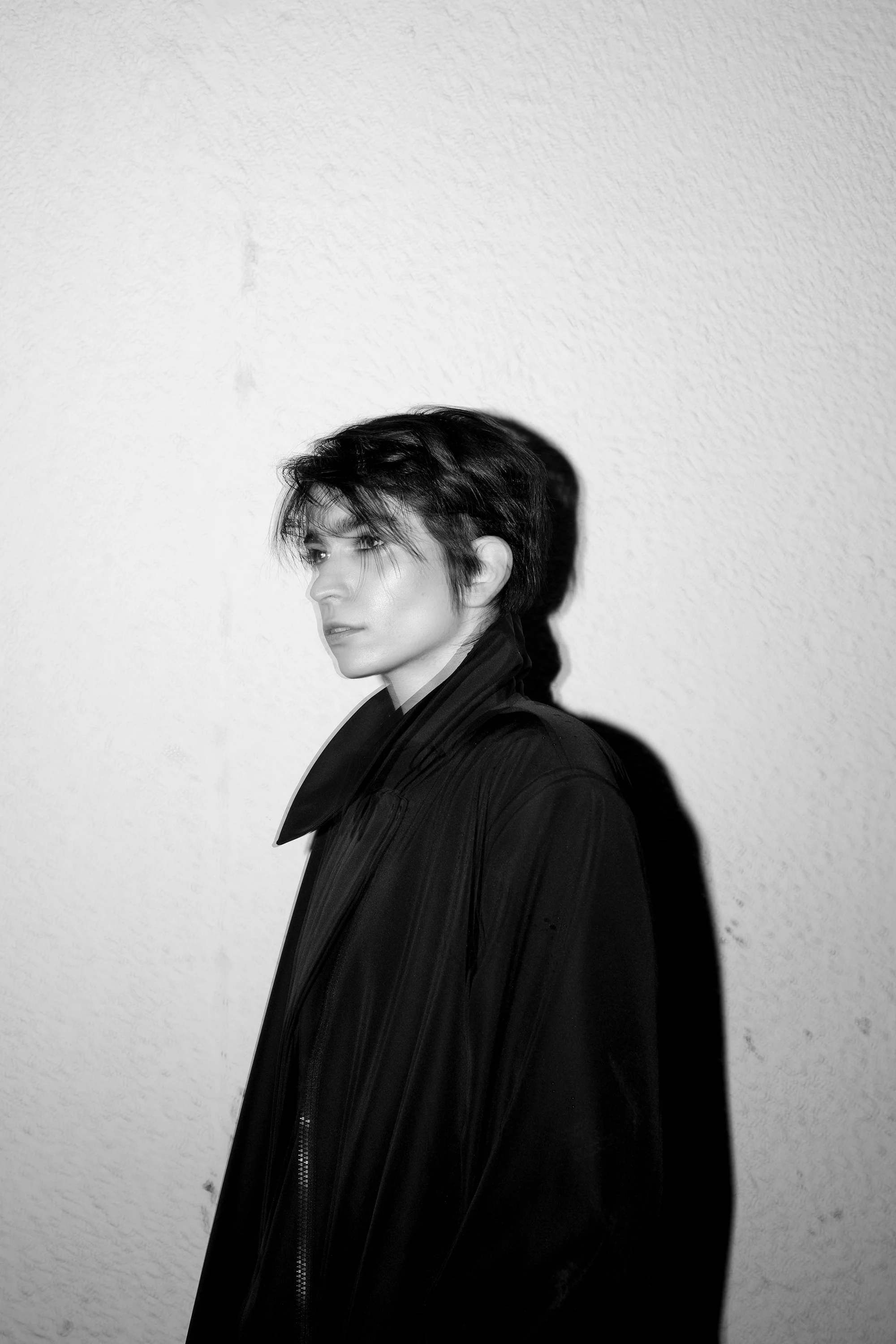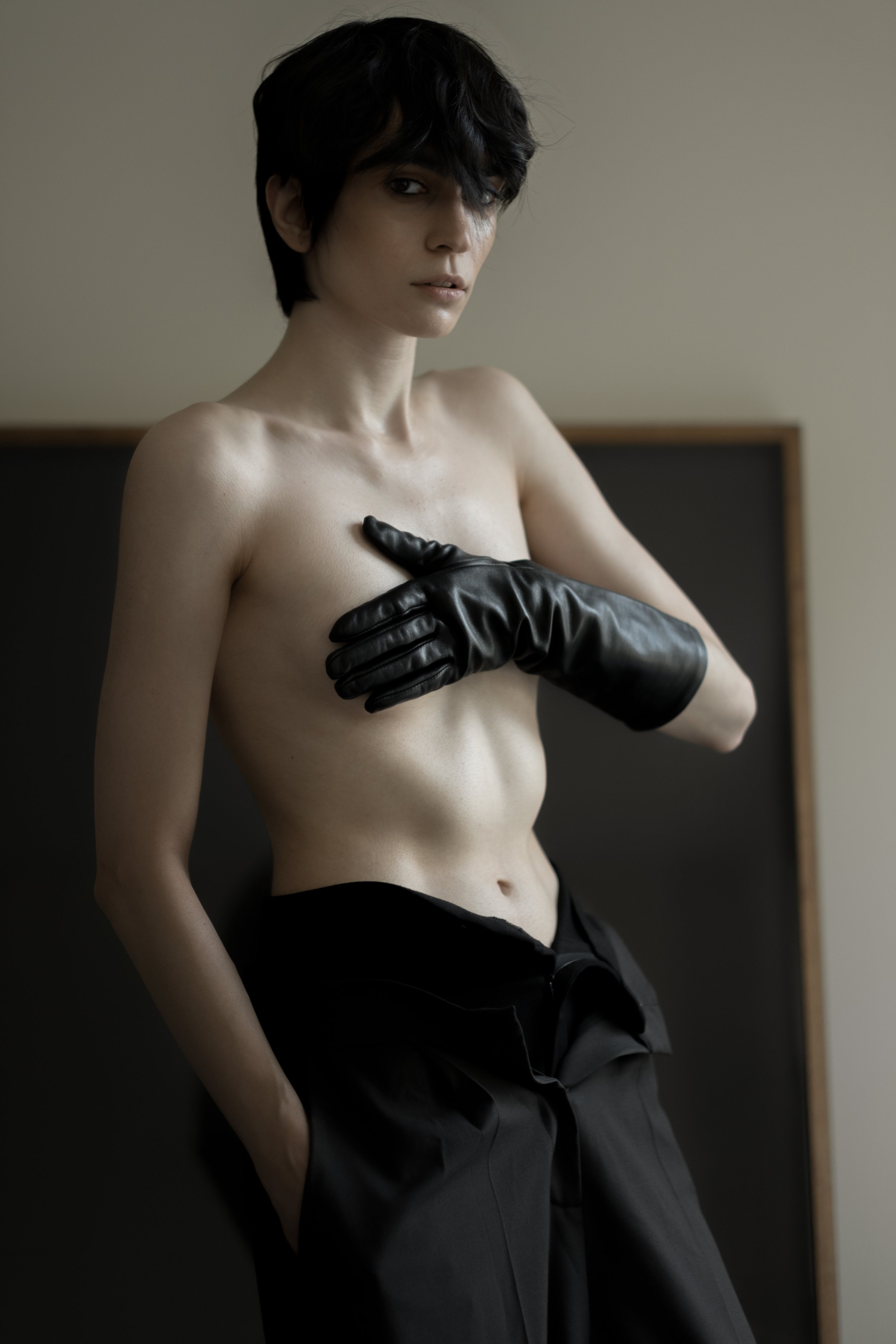
Moodi
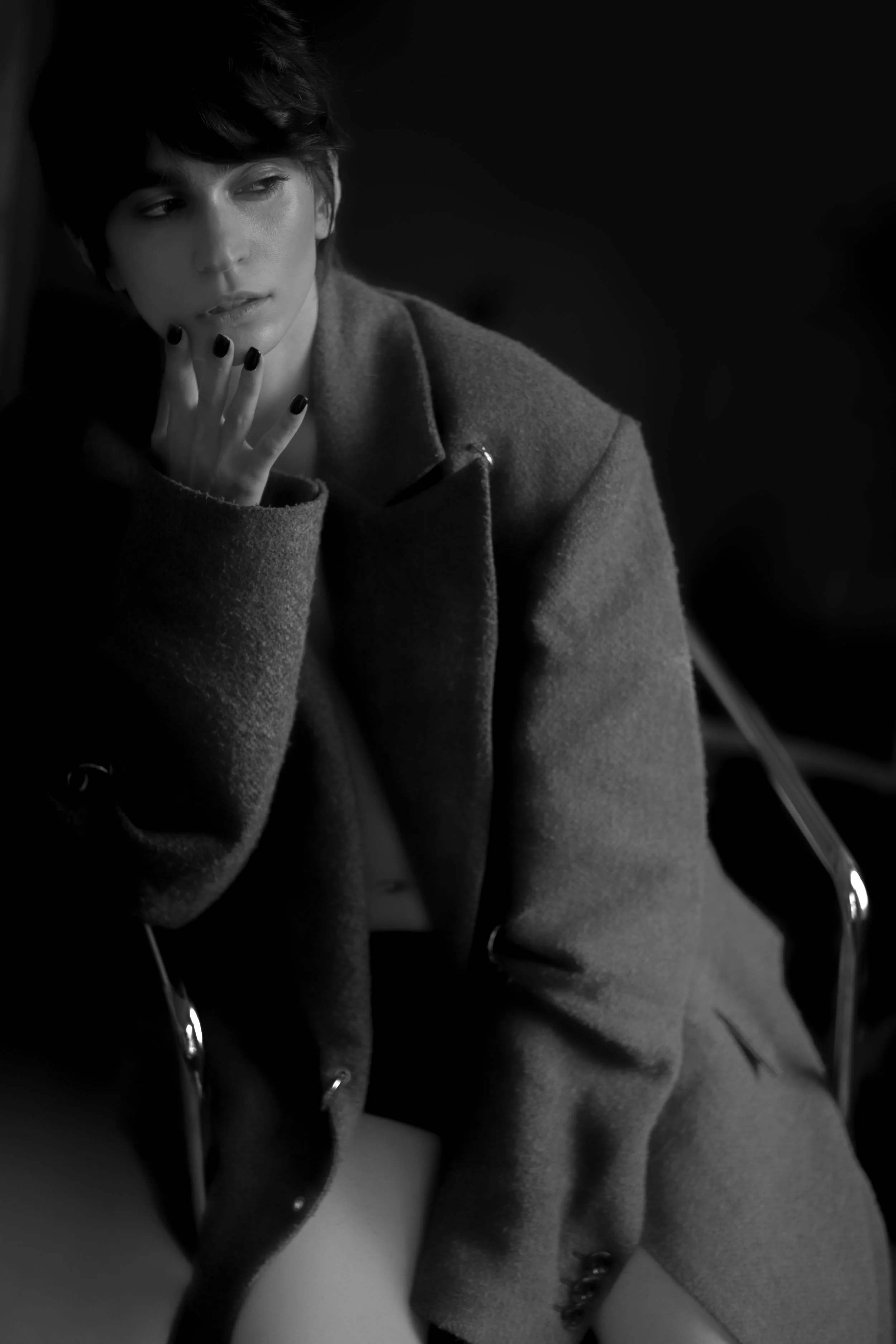
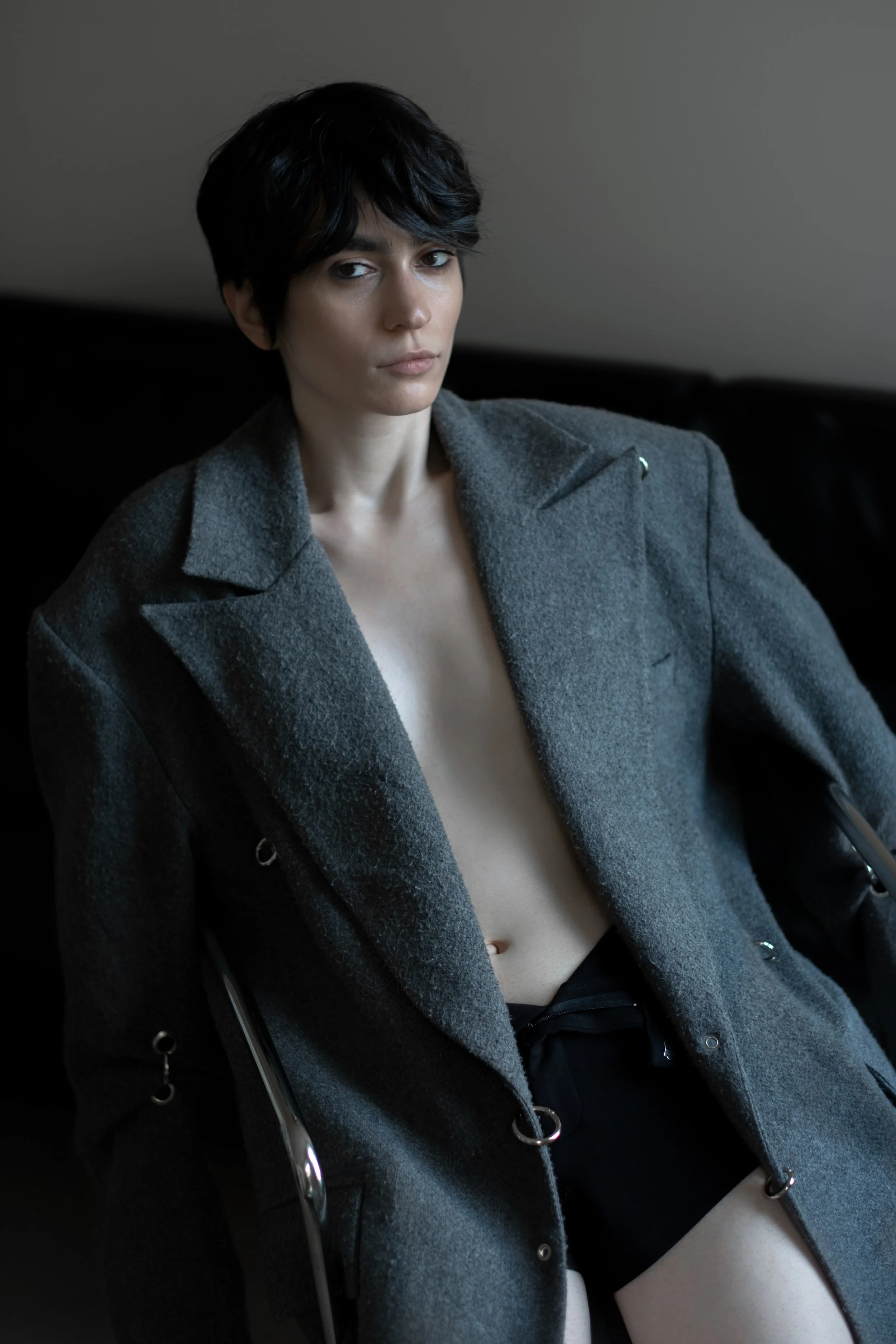
For this September issue, I wanted Moodi’s world to be experienced not just as clothing, but as an atmosphere. Working alongside Mersedeh Heydai, the brand’s founder, we built a story that moves between shadow and light, resilience and freedom.


The images were captured by the incredible Nilu Zargham, whose photography feels at once intimate and cinematic — exactly the mood we wanted. Ehsan Negarestani then refined those visuals with his editing, sharpening the details while preserving their raw emotion.
At the heart of it all is Pardis Alamoda, Moodi’s Art Director, whose vision shapes so much of the brand’s aesthetics and styling. For this campaign she also stepped in front of the camera, embodying Moodi herself across all three of our September covers. Watching Pardis inhabit the collection was a reminder that Moodi is not only worn, it is lived
As Editor-in-Chief, I had the privilege of contributing to the artistic direction and styling throughout this process. It was a true collaboration — one that blurred the roles of designer, photographer, editor, and muse.
Together, we created something that goes beyond a fashion story. What unfolds in these pages is a meditation on resilience, individuality, and the courage to move through shadows into light.

Moodi was not conceived under bright lights, but in the quiet persistence of darkness. For founder Mersedeh Heydai, the spark was never a dramatic burst but something subtler. “That spark,” she reflects, “would look like a whisper beyond drifting shadows — never loud, never obvious, but always there, waiting. It teases you to keep moving, even when everything feels heavy.” That whisper became the brand’s philosophy: resilience, self-expression, and the courage to move through shadow into light.
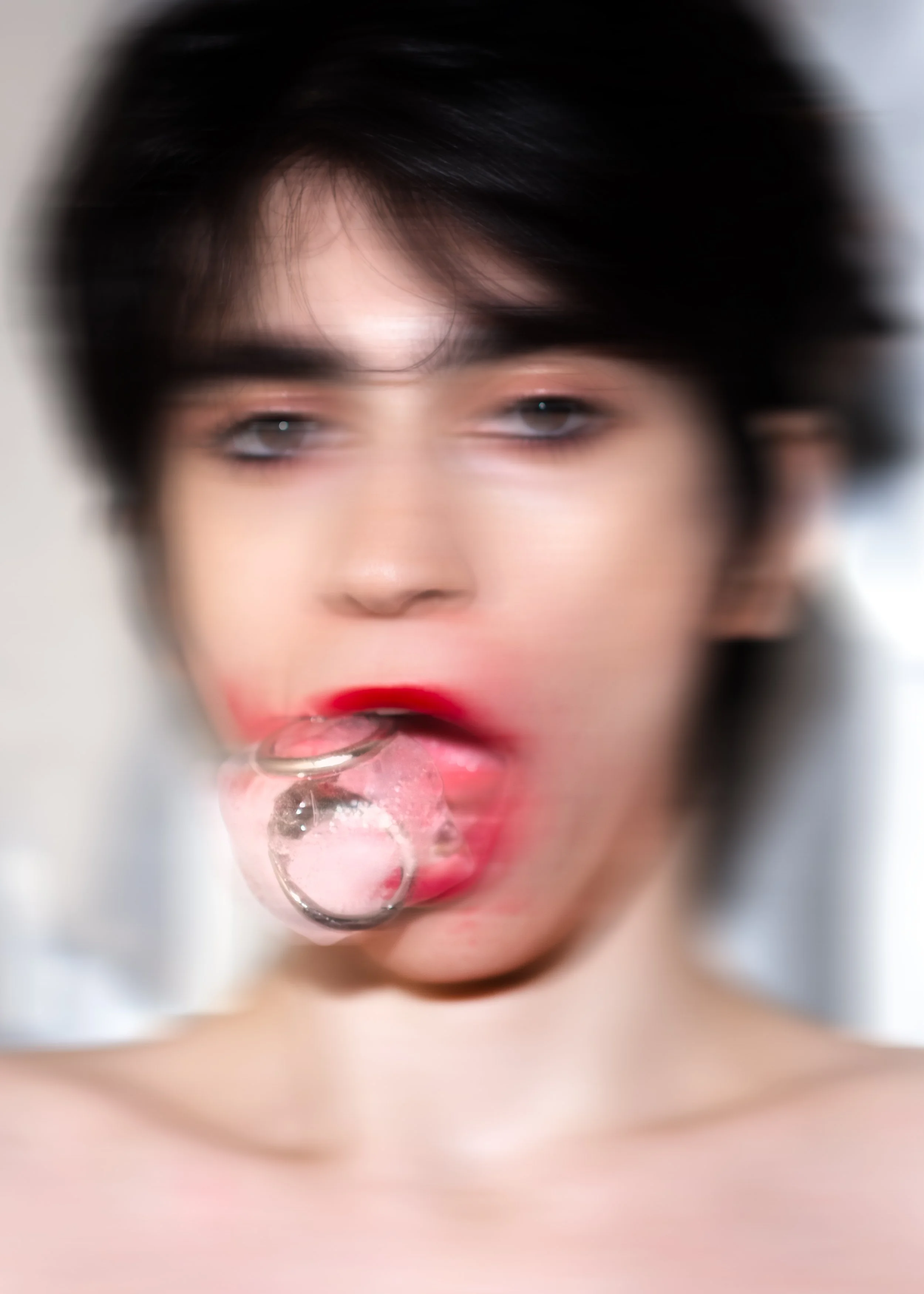
At the centre of Moodi’s identity sits the metal ring, a motif that has become inseparable from the brand. “It symbolises resilience
and the endless current of life,” Mersedeh explains. “You live through experiences again and again, yet each time you emerge
reshaped by the journey. My mindset, my character, my vision have all been built around this philosophy. It flows through me, and
it will always flow through the brand.”
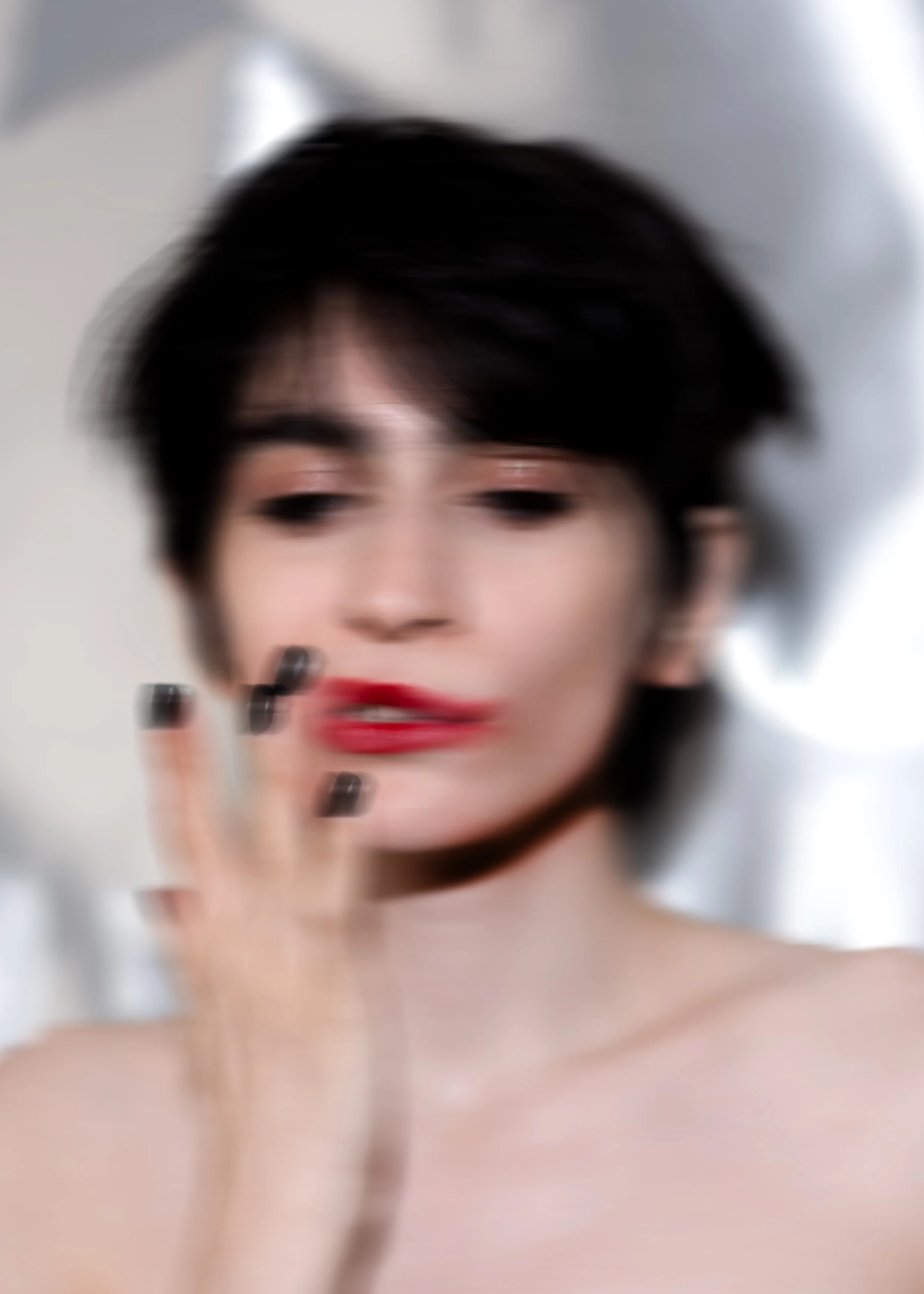
Moodi refuses to play by fashion’s rigid rules. Collections are not dictated by calendars, but by instinct. Freedom of self-
expression is its driving force.
“If there’s one ‘rule’ I’d love people to break,” says Mersedeh, “it’s the obsession with dress codes. Why should wearing an
evening gown to buy your morning coffee be strange? For me, stepping out beautifully dressed, simply because you feel like it,
should be the most natural thing.”
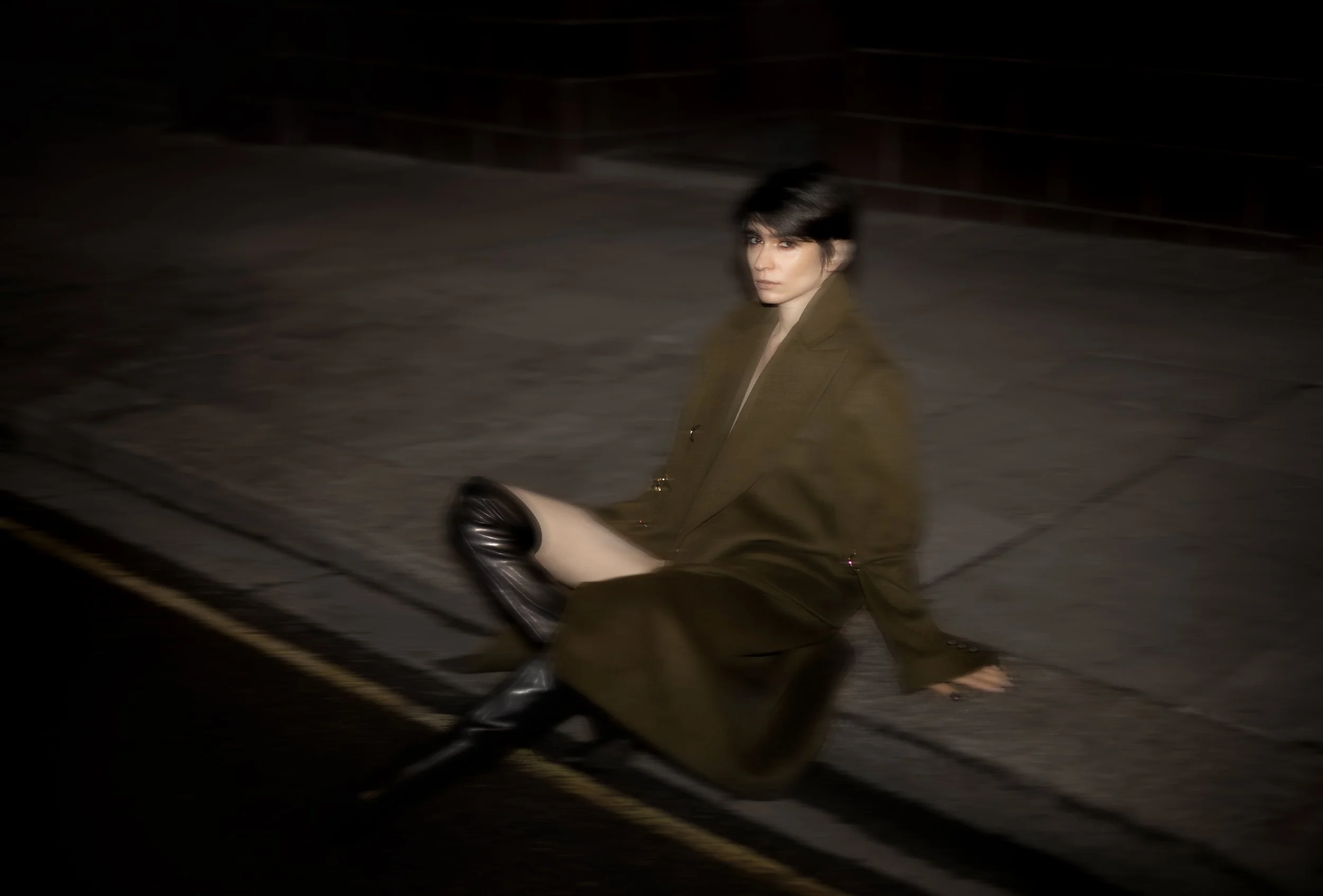
Sustainability isn’t Moodi’s constraint — it is its inspiration. “Sustainability isn’t a limitation — it’s our muse. By repurposing fabrics and designing with intention, we create pieces that are bold, fearless, and timeless,” Mersedeh says. Versatility underpins the work; garments shift with the wearer’s mood, adapting to individuality rather than dictating it. “Experimentation and sustainability aren’t opposites. They fuel each other.”
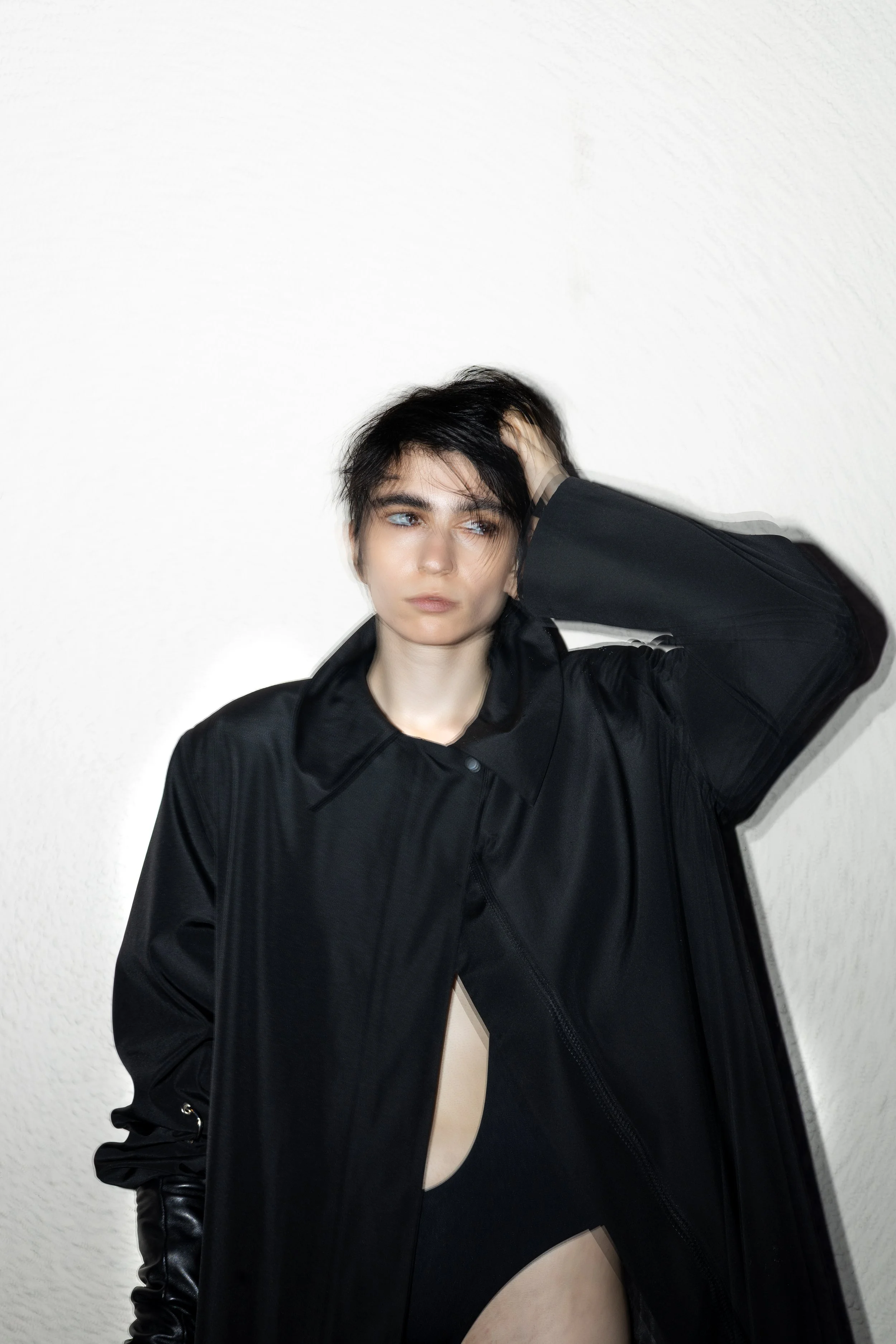
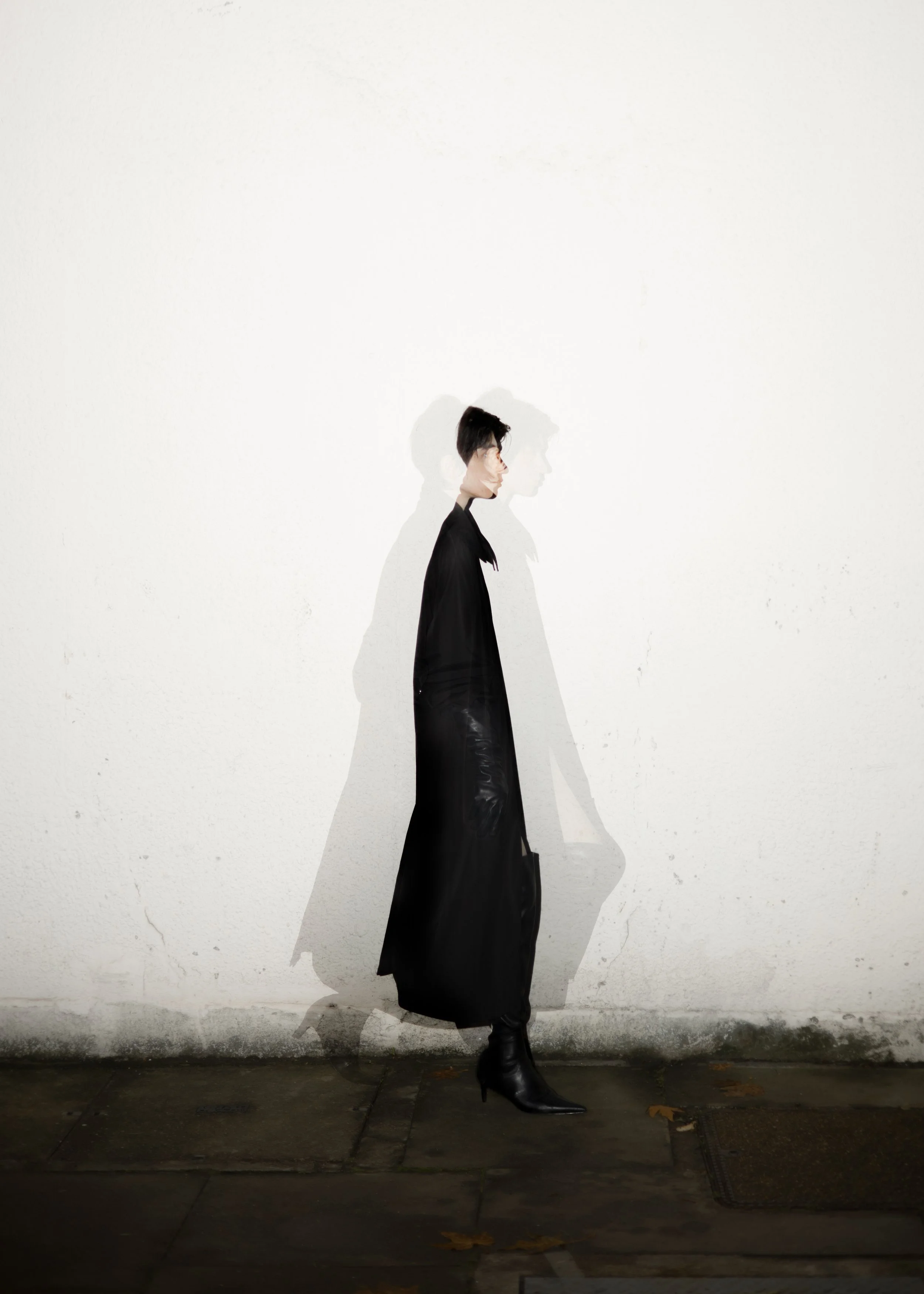
If Moodi had a soundtrack, what would it be? For Mersedeh, it’s not something she wants to prescribe. “We’ve never wanted to hand people a playlist and say, ‘This is us.’ Instead, we want every individual to imagine their own soundtrack. The music of Moodi is meant to be created by those who live it.”
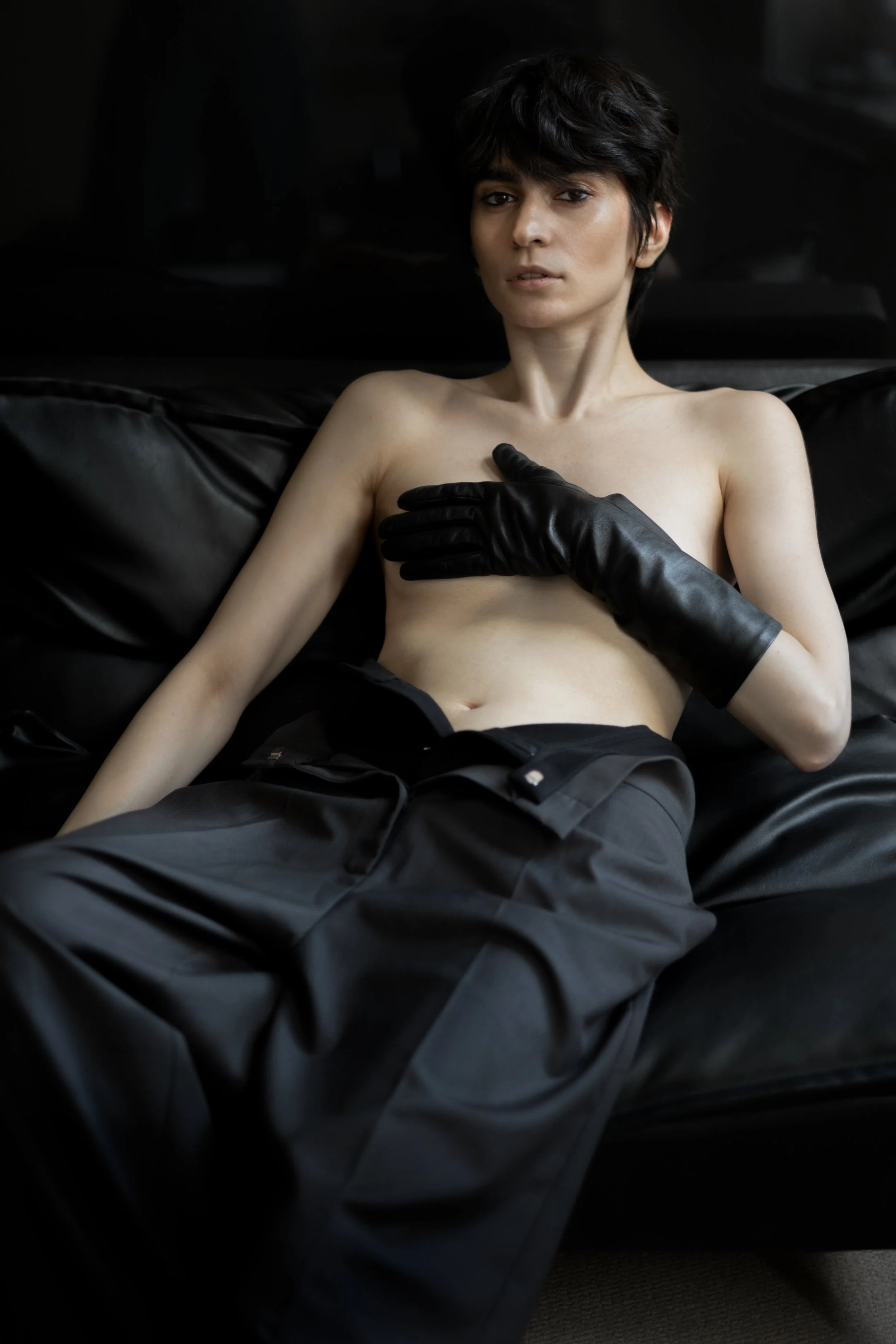
Moodi isn’t just about clothing. It’s about narrative — weaving together fashion, storytelling, and even gaming. “If Moodi were a
video game, the first level would be called Veil of Shadows,” says Mersedeh. “It resonates with the heaviness you move through
before clarity.”

Her path to founding Moodi reflects this merging of disciplines. After years of teaching and working as a consultant and creative
director, she left everything behind to study game design in London.
”People didn’t understand. Today, they’re proud of it.”
Teaching left its mark too. “I used to assume the louder voices in class had the best ideas. Then, once, I gave a quieter student the chance, and the result was extraordinary. It taught me every voice deserves space. Design should be the same.”